1. Home
  2. Treatments
  3. Medical Massage

Medical Massage · Targeted Relief

Therapeutic Massage

Focused, assessment-led sessions for six common complaints. We work on the muscles where you feel it, and on the ones that feed into it.

40 min / $10060 min / $14990 min / $189

Licensed MM 47569 · No referral needed · 40-minute sessions by phone

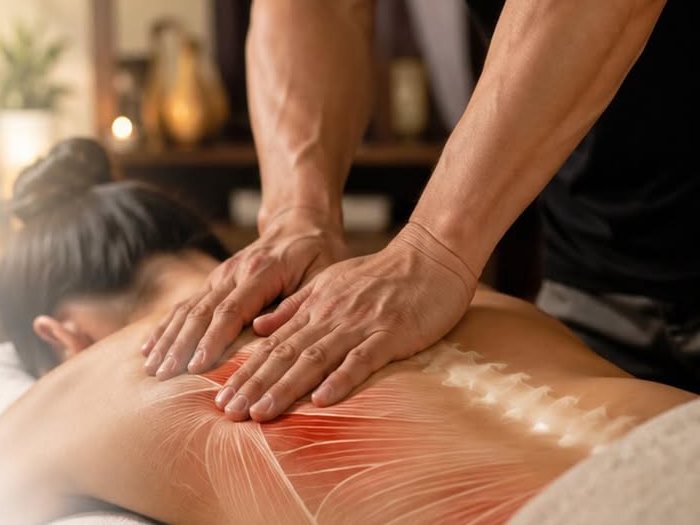
Focused therapeutic massage along the muscles of the back

What It Is

Not just a massage. A plan for the place that hurts.

What some people call medical massage is, in our studio, therapeutic massage: a session organised around one complaint rather than general relaxation. It starts with questions and a few simple movement checks, concentrates on the muscles around the area and the ones that pull on it, uses firmer and more specific work where it helps, and ends with something to do at home.

It is still massage, by licensed massage therapists. We do not diagnose, and we do not replace your doctor, physical therapist or dentist. Florida has no separate "medical massage" licence, and we do not pretend to one. What we offer is an hour of skilled, honest attention to a problem you can feel, often alongside care you are already receiving.

The practical questions

  • Referral: none needed. In Florida you can book directly with a licensed massage therapist.
  • HSA and FSA: massage is not on the IRS's automatic list of medical expenses, but many plans reimburse it with a Letter of Medical Necessity from your physician. We provide itemised receipts; your plan administrator decides.
  • Insurance: most health plans do not cover private-pay massage.

How we talk about results

You will see "may help ease" and "many guests report" on this page, and you will not see "cures", "fixes" or "breaks up adhesions". That is deliberate. We graded the research for each complaint before writing a word, and the honest summary is below.

Targeted Relief

Six common complaints, one focused approach

Each card says what the complaint is in plain words, how we work on it, what to realistically expect, and when a doctor should come first. Every one is available as a 40, 60 or 90-minute session.

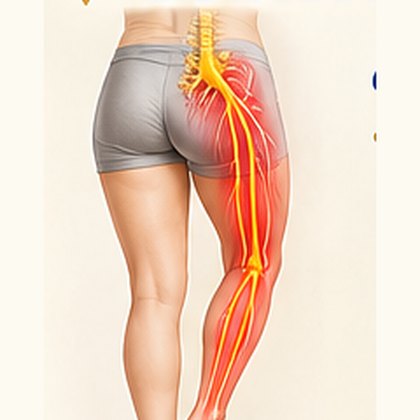
Sciatic nerve pain

Common symptoms

Pain or discomfort that may travel from the lower back through the hip and buttock and into the leg, sometimes with muscle tightness, stiffness, numbness or tingling.

How we work

Sciatica is a symptom, most often of an irritated nerve root in the low back, sometimes with the deep hip muscles joining in. We cannot change a disc. We can ease the tight lower-back, gluteal and hip-rotator muscles that so often guard around it, with slow pressure, held work on tender points and gentle assisted stretching, lying on your side where that is more comfortable.

Honest expectations

Guidelines list massage as an option for recent low back pain; the evidence for sciatica itself is thin. Most episodes settle in four to six weeks on their own. Many guests try two or three sessions and reassess.

When to see a doctor first
  • Loss of bladder or bowel control, numbness in the groin or saddle area, or weakness in both legs: call 911
  • Progressive leg weakness or a foot that drags
  • Pain after a fall or accident
  • Fever, unexplained weight loss, or a history of cancer
  • No improvement after several weeks
Frozen shoulder

Common symptoms

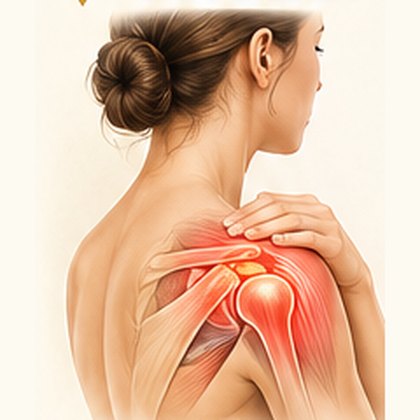
Shoulder pain, stiffness and reduced range of motion. Difficulty reaching overhead, behind the back, or across the body.

How we work

A frozen shoulder is a thickened, tightened joint capsule, and it runs its own course, often a year or more through painful, stiff and thawing stages. Massage will not shorten that. It can ease the upper trapezius, chest, rotator-cuff and shoulder-blade muscles that clench around a painful joint, add gentle assisted movement within your comfort, and make the stretches your doctor or physical therapist has given you easier to do.

Honest expectations

A 2023 meta-analysis found manual therapy plus exercise had no significant effect on pain or range of motion in frozen shoulder, so we promise comfort for the muscles around it, not a cure. Diabetes and thyroid disease make frozen shoulder more likely; a new stiff shoulder deserves a doctor's look first.

When to see a doctor first
  • Shoulder pain after a fall or injury, or a sudden inability to lift the arm
  • A hot, red or swollen joint, or fever
  • Shoulder or arm pain with chest pressure, breathlessness or pain into the jaw: call 911
  • Numbness or weakness down the arm
  • Night pain, weight loss or a cancer history
  • No evaluation yet for a rotator-cuff tear or arthritis

Office syndrome

Common symptoms

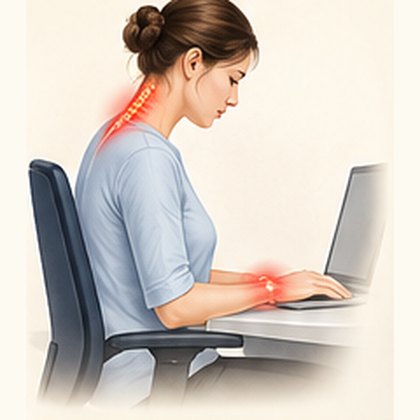
Neck, shoulder, upper-back and wrist or arm tension associated with prolonged sitting, computer work and poor posture, with stiffness and muscle fatigue.

How we work

"Office syndrome" is the everyday Thai name for what Western clinicians call work-related neck and shoulder pain: a forward head, rounded shoulders, a knotted upper trapezius and tired forearms. It is where Thai massage research is strongest. We work through the upper trapezius, the levator scapulae, the small muscles at the base of the skull, the chest, and the forearms and hands, with Thai compression along the back and arms, pressure on tender points and assisted stretches, then show you two or three things to do at your desk.

Honest expectations

A 90-minute Thai massage protocol for office syndrome cut pain by about a quarter on a ten-point scale in a 2023 Khon Kaen University study, and a 2023 trial found four weeks of stretching or yoga helped office workers as much as hands-on treatment, which is why we send you home with exercises. Relief lasts longer when the desk changes too.

When to see a doctor first
  • Numbness or tingling with weakness in the arm or hand, or dropping things
  • Pain below the elbow with nerve symptoms
  • Chest pain or breathlessness with arm or shoulder pain: call 911
  • Neck pain after an accident, or with fever and a stiff neck
  • Severe night pain or unexplained weight loss

Neck & shoulder pain

Common symptoms

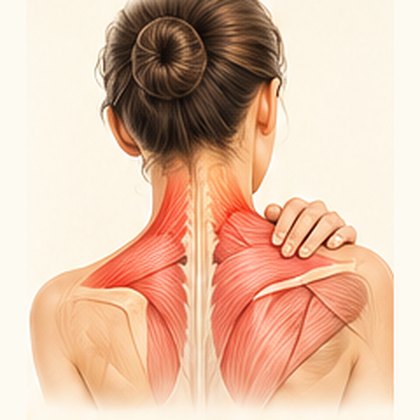
Muscle tightness, stiffness, soreness and discomfort around the neck, shoulders and upper back, often linked to stress, posture or repetitive activity.

How we work

The everyday version: a stiff neck after a bad pillow, shoulders that live up by the ears, soreness after a weekend of yard work. We combine broad, warming work with precise pressure on tender bands, a gentle release at the base of the skull, and stretches within comfort. We never force the neck to the end of its range or perform high-velocity manipulation; that belongs to other professions.

Honest expectations

The 2024 Cochrane review found massage made little difference to neck pain compared with a placebo overall, but that a higher dose, at least eight sessions over four weeks of thirty minutes or more, produced a clinically important difference. One visit tells you whether it helps; a short course is what the evidence supports.

When to see a doctor first
  • Neck pain after a car accident, fall or sports injury
  • Fever with a stiff neck and headache: emergency
  • Weakness or numbness in an arm
  • Dizziness, vision changes, trouble speaking or swallowing, or a sudden severe headache: call 911
  • A history of cancer, or severe pain at night

Tension headaches

Common symptoms

Pressure or aching around the forehead, temples or back of the head, often with tightness in the neck and shoulders.

How we work

Tension-type headache is the dull, band-around-the-head kind, and it tends to travel with knotted muscles at the top of the shoulders, the sides of the neck and the base of the skull, which refer pain into the head. We work exactly there, plus the scalp, temples and jaw, at moderate pressure, in a dim and quiet room. Aggressive neck work during an active headache can make it worse, so we do not do it.

Honest expectations

In a 56-person trial, headache frequency fell as much with a placebo as with massage, though the massage group felt more relief; a Thai trial of 60 people found Thai massage comparable to a low-dose preventive medication. Keep a headache diary. It helps us and your doctor, and it tells you whether this is working.

When to see a doctor first
  • A sudden "thunderclap" or worst-ever headache: call 911
  • Headache with fever, stiff neck, confusion, weakness, numbness, double vision or trouble speaking: call 911
  • Headache after a head injury
  • A new headache after 50, or during pregnancy
  • A headache that keeps worsening, wakes you, or comes on with coughing or exertion
  • Frequent use of painkillers, which can itself cause headaches: see your doctor

TMJ & jaw tension

Common symptoms

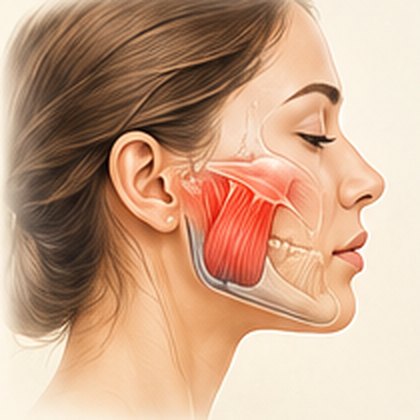
Jaw tightness, facial muscle tension, tenderness around the jaw, temples or cheeks, and discomfort associated with clenching or grinding.

How we work

Clenching and grinding overwork the masseter and temporalis, the muscles that close the jaw, and they rarely act alone: the neck and shoulders join in. Our jaw work is external: the face, jaw, temples, scalp, neck and shoulders, with slow pressure and gentle guidance through comfortable opening. A clicking jaw that does not hurt is normal and needs no treatment at all.

Honest expectations

The National Institute of Dental and Craniofacial Research notes that manual therapy to the muscles around the joint can help improve function and relieve pain, and recommends conservative, reversible care first. Reviews rate the evidence as short-term and low-certainty. A dentist-prescribed night guard is not replaced by massage.

When to see a doctor first
  • Jaw pain with chest pain, breathlessness, sweating or arm pain: call 911
  • A jaw locked open or closed, or a sudden change in your bite
  • Facial swelling, redness or fever
  • Facial numbness or drooping, or speech or vision changes: call 911
  • Severe tooth or ear pain
  • Temple pain with scalp tenderness or vision changes, especially over 50
SessionCovers
40 minutesOne focus area. Booked by phone.$100
60 minutesThe area plus the regions that feed into it$149
90 minutesBroader work, more stretching, home care$189

Online, the scheduler lists these under "Targeted Relief / Medical Massage". Add your focus area to the booking notes, or simply tell us when you arrive.

What to Expect

Your session, start to finish

Therapeutic does not mean painful. It means deliberate.

  1. Intake

    Five to ten minutes on your main concern: where, since when, what helps and what worsens it, injuries, any diagnosis or imaging, what your doctor or physical therapist has said, medications, and any numbness or tingling. We ask the warning-sign questions on purpose, and if one applies we will suggest a doctor first.

  2. A movement check

    Reach overhead and behind your back, turn and tilt your head, open your jaw, rotate a hip, bend forward: noted as comfortable or not. We feel for tight, tender bands. This guides the massage. It is not a diagnosis.

  3. The work

    Heat where it helps, held pressure on tender points, slow deep strokes, Thai compression and assisted stretching. We work around a five to seven out of ten: a satisfying ache you can breathe through, never pressure you brace against. We recheck the movement near the end.

  4. Home care

    What we noticed, one or two stretches, a suggested interval, and an honest answer: if this is not changing after a few sessions, see a doctor or physical therapist.

40 minutes

$100

One focus area, worked thoroughly. Booked by phone.

Recommended

60 minutes

$149

The area plus what feeds into it, with assisted stretching and home care. Where most guests start.

90 minutes

$189

Broader work, more stretching, time to teach. The Thai office-syndrome protocol that researchers studied was 90 minutes.

Why Guests Book It

What a focused session can honestly offer

Less tension, easier movement, and a clear sense of whether massage is helping you.

  • Muscle tension easedSlow, specific work on the bands and tender points that guard a sore area.
  • More comfortable movementAssisted stretching and gentle mobilisation within your range, rechecked before you leave.
  • A plan, not a guessA short course with a review point, so you know whether to continue.
  • Works alongside your careWith your doctor's, physical therapist's or dentist's plan, never instead of it.

What the research says, and what it doesn't

We graded the evidence for each complaint before writing this page. The honest summary:

  • The American College of Physicians' 2017 low back pain guideline includes massage among the options for recent low back pain, on low-quality evidence. It does not list massage for chronic low back pain, and the Cochrane review of 25 trials has "very little confidence" in it.
  • The 2024 Cochrane review of massage for neck pain found little difference from placebo overall, but a higher dose, at least eight sessions over four weeks of thirty minutes or more, produced a clinically important difference. That is the only dose signal in any of these conditions.
  • A 2023 Khon Kaen University study of a 90-minute, 25-step Thai massage protocol for office syndrome reduced pain by 2.33 cm on a ten-centimetre scale. It had no control group.
  • In a trial of 56 people with tension-type headache (Moraska et al. 2015), headache frequency fell as much with a placebo as with massage; the massage group reported greater relief.
  • The National Institute of Dental and Craniofacial Research says manual therapy to the muscles around the jaw joint can help improve function and relieve pain, and recommends conservative, reversible care first. Recent reviews rate the evidence short-term and low-certainty.
  • For frozen shoulder, a 2023 meta-analysis (Kirker et al.) found manual therapy plus exercise had non-significant effects on pain, disability and rotation. We offer comfort for the muscles around the joint, not a shortcut through the condition.

Serious side effects are rare; the low back pain trials reported none. Temporary soreness is the usual cost. Massage should never delay seeing a doctor about a medical problem.

Is It Right for You?

Who it suits, and who should see a doctor first

A good fit if you…

  • Desk and screen workers with a neck, shoulders or forearms that complain
  • Retirees with stiffness that has crept in
  • Golfers with a tight upper back and shoulders
  • Military and shift workers carrying chronic tension
  • People who clench, grind, or get headaches that start in the shoulders
  • Anyone already under a doctor's or physical therapist's care who wants complementary, comfort-focused work
  • People who want to learn what to do between sessions

See a doctor first if…

  • Any warning sign listed on the six cards above applies to you
  • The pain followed an injury, or is severe, progressive, or worst at night
  • You have a fever, new numbness or weakness, or a first-ever severe headache
  • You have chest-related pain, unexplained weight loss, or a cancer history with new pain
  • You have blood clots, take anticoagulants, or have uncontrolled high blood pressure, osteoporosis, or a recent fracture or surgery
  • You are pregnant (tell us), or have diabetes with a newly stiff shoulder

Nothing here replaces diagnosis, imaging, injections, medication, dental splints, surgery or physical therapy. We are complementary, and happy to be.

Practical Notes

Before and after your session

Before you come

  • Eat lightly and arrive ten minutes early
  • Bring a list of medications and diagnoses, and anything your doctor or physical therapist has told you
  • Wear loose clothing
  • Think about when the problem started and what makes it better or worse; it shortens the intake

Afterwards

  • Water, gentle movement and a warm shower
  • No heavy training that evening
  • Mild soreness for 24 to 48 hours is common
  • Call your doctor for sharp or worsening pain, new numbness, fever, or any warning sign

How many sessions? Two or three over two to three weeks, then an honest look at whether it is helping. Desk-related complaints often do best with periodic maintenance after that.

Add-Ons

Traditional options

  • Cupping$35Traditional suction; expect round marks for a few days
  • Gua Sha$35Smooth-tool work for stubborn tightness
  • Hot Stone$25Warmth before deeper work
  • CBD Oil$25For one sore area

Some guests enjoy these alongside focused work. The research on them is limited, and we will tell you so before using them. See the full add-on list.

Questions Guests Ask

Good to know

Do I need a doctor's referral?

No. In Florida you can book directly with a licensed massage therapist. A physician's letter matters only if you want to try for HSA or FSA reimbursement. If your symptoms are severe, worsening or unexplained, see a healthcare professional first.

Is it covered by insurance?

Most health insurance does not cover private-pay massage. We provide itemised receipts with the date, service, duration, price and therapist licence number.

Can I use my HSA or FSA?

Possibly. Massage is not on the IRS's automatic list, so plans typically ask for a Letter of Medical Necessity from your physician, and your plan administrator decides. Check with your plan first.

How is this different from a regular massage?

It is organised around one complaint: an intake and movement check, work on the muscles around the area and those that feed into it, assisted stretching and Thai compression, then home care. It is often firmer in places than a relaxation massage.

Is "medical massage" medical treatment?

No. It is massage by licensed massage therapists. We do not diagnose, prescribe or replace your doctor, and Florida has no separate medical-massage licence. The name tells you what the session is focused on, not what we are.

Will it hurt?

You should feel working pressure, not pain you brace against. Tender spots can feel like a satisfying ache. Tell us to adjust at any time. Mild soreness for a day or two afterwards is common.

Can you fix my sciatica?

No honest therapist can promise that. Sciatica is a symptom, often from a disc or nerve irritation that massage cannot change. Massage may ease the tight back, hip and gluteal muscles that often come with it. Leg weakness, numbness in the groin area, or trouble controlling your bladder or bowels is an emergency.

Is it safe with a herniated disc?

Often yes, with modified technique: careful positioning, lighter pressure, no forced spinal movement. Tell us beforehand, and check with your physician if you have weakness, numbness or severe pain. The low back pain trials reported no serious adverse events.

Will massage help my frozen shoulder?

It may make the muscles around the joint less tense and movement more comfortable, but frozen shoulder runs its own course over roughly one to three years and usually needs a doctor's or physical therapist's plan. The research on manual therapy for it is mixed and low-certainty.

Do you do TMJ work inside the mouth?

No. Our jaw work is external: face, jaw, temples, neck and shoulders. If your jaw locks, your bite has changed, or the pain is significant, please see a dentist or doctor.

How many sessions will I need?

It varies. Neck pain research suggests more frequent sessions work better than one-offs. A practical plan is two or three sessions over two to three weeks, then a decision about whether it is helping.

Forty, sixty or ninety minutes?

Forty is one focus area, such as the neck, shoulders and upper back, or the jaw and head. Sixty adds the regions that contribute, with stretching. Ninety allows broader work, such as the whole back-body chain, and time to teach. Most guests start with sixty.

What if I take blood thinners, or have diabetes, osteoporosis, or I am pregnant?

Tell us at intake and check with your physician. We adjust pressure and areas, or may ask for medical clearance first.

How should I prepare, and what should I do afterwards?

Before: eat lightly, arrive ten minutes early, bring your list of medications and diagnoses, wear loose clothes. After: water, gentle movement, a warm shower, no heavy training that evening. Call your doctor for sharp or worsening pain, new numbness, fever or any warning sign.

Which of the six should I book?

Whichever is closest to where you feel it. If you are not sure, book 60 minutes, tell us where it hurts, and we will work it out together.

“I have been a client there a couple of times and found this establishment to be the very best I've ever experienced. The procedures are carried out by a dedicated professional who obviously cares about her patients…”
Rich S. · Google review

Reserve Your Time

Tell us where it hurts.

Book 60 or 90 minutes online and add your focus area to the notes, or call us for a 40-minute session. We will ask the right questions before we start.

Thai Touch Massage & Wellness · 2731 Gulf Breeze Pkwy, Gulf Breeze, FL 32563 · Florida License MM 47569
Mon – Fri 9:30 am – 7 pm · Sat & Sun 10 am – 5 pm · Walk-ins welcome

Massage therapy is not a substitute for medical diagnosis or treatment. Please consult a qualified healthcare professional for persistent, severe or unexplained symptoms.

Book This Treatment
↑