- Home
- Treatments
- Pre & Post Natal
Pre & Post Natal
Pre & Post Natal Treatment
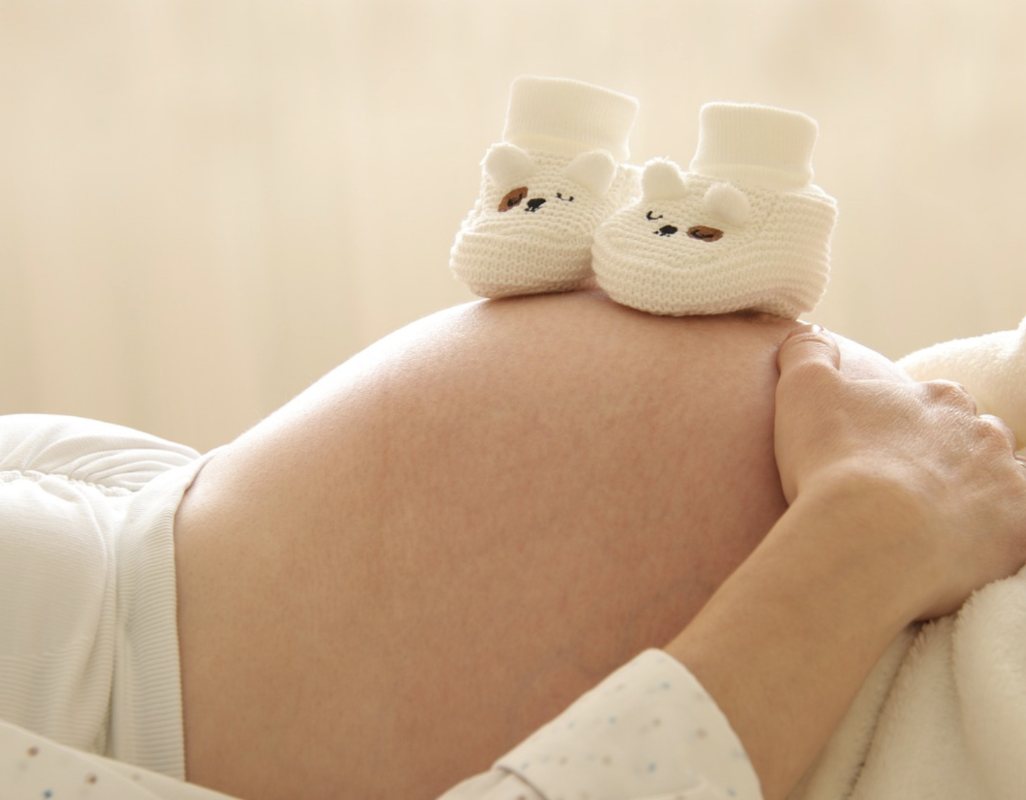
A gentle, nurturing full-body treatment for pregnancy and the months after it. Side-lying comfort, unscented oils, light exfoliation and a calming scalp massage.
60 min / $11990 min / $169120 min / $238
Unscented oils · Side-lying comfort · Licensed MM 47569
- Duration60 · 90 · 120 minutes
- PositionSide-lying, well supported
- OilUnscented
- PressureLight to medium; legs always light
What It Is
Massage that changes with your body
A pregnant body is doing something extraordinary, and it asks to be treated differently: supported on its side rather than lying flat, with lighter pressure on the legs, a belly that is cradled rather than worked, a slower pace, and a therapist who knows why each of those things matters. This is not a Swedish massage done carefully. It is a different treatment.
It begins with a light exfoliation, because skin that is stretching often feels dry and tight, continues with a soothing full-body massage using unscented oils, because pregnancy sharpens the sense of smell, and ends with a calming scalp massage, because by then most guests are somewhere far away.
After the baby arrives
Feeding, carrying, lifting and not sleeping load the neck, shoulders, upper back and wrists in a way nothing else does. The postnatal version of this treatment is an unhurried hour that belongs to you. We book it whenever your provider is happy for you to have one; after a caesarean we wait for your clearance and leave the abdomen and incision alone until they have healed.
Our approach to the first trimester
Many studios decline massage before week twelve. We would rather be honest about why: there is no evidence that massage causes miscarriage, but early loss is common and nobody wants a massage to be blamed. Call us, tell us how you are feeling and what your provider has said, and we will talk it through together rather than apply a blanket rule.
What to Expect
Your session, start to finish
Tell us how far along you are when you book, and anything your provider has said. We plan around it.
- Arrive
A short health form asks how many weeks you are or how recently you gave birth, who your provider is, and about any complications or symptoms. Use the bathroom first; you will not be the only one who needs it again halfway through.
- Settle in
You undress to your comfort and lie on your side under the sheet, with pillows between your knees, under your belly and beneath your head. You switch sides partway through. Tell us if you run warm; most expectant guests do.
- The treatment
A light exfoliation, then slow gliding and kneading through the neck, shoulders, back, hips, legs and feet at light-to-medium pressure, finishing with the scalp. Speak up about temperature, position or pressure at any time; a tired back often wants firmer work than a tired calf.
- Afterwards
Get up slowly from lying on your side. Have some water, rest if you can, and expect to feel pleasantly heavy. Mild tiredness is normal.
60 minutes
$119
Back, hips, legs and shoulders, with the exfoliation and scalp massage kept brief. A good first visit.
90 minutes
$169
Both sides unhurried, the full exfoliation and scalp massage, and time for the places that ache most. The length we recommend from the second trimester on.
120 minutes
$238
The slowest pace, extra time on tension, and a rest at the end. We build in position changes and breaks.
Why Guests Book It
Comfort, sleep, and an hour that is only yours
Honest expectations: this treatment eases, soothes and supports. It does not treat or prevent anything, and we will not pretend otherwise.
- Eases the aches of carryingLower back, hips, glutes, calves and feet take the extra weight. Slow, supported work gives them a break.
- Calm and better sleepGuests often tell us they sleep more deeply the night after. Small studies point the same way.
- Skin and scalp careLight exfoliation for stretching, itchy skin, and a scalp massage that most people wish lasted longer.
- Postpartum shoulders and neckFeeding and carrying strain the upper body. The postnatal session concentrates there, and on simply resting.
What the research says, and what it doesn't
Research on massage in pregnancy is encouraging but small, and much of it comes from one research group. We would rather tell you that than overstate it.
- In a study of 84 women in their second trimester (Field et al. 2004), twice-weekly 20-minute massages from a partner for 16 weeks reduced anxiety, low mood and leg and back pain compared with controls. The participants had depressed mood, and the massage was given by partners rather than therapists.
- A later trial by the same group (Field et al. 2012, 84 women) found twelve weeks of massage or yoga lowered depression and anxiety scores compared with standard care.
- A meta-analysis of ten trials and 1,198 women (Hall et al. 2016) found manual therapies eased pregnancy back and pelvic pain better than usual care, but not better than a sham treatment. Women feel better; we will not claim it treats back pain.
- The Cochrane review of massage in labour (10 trials, 1,055 women) found low-quality evidence of less pain in early labour and no clear effect on how long labour lasts. So we do not claim that massage shortens labour, prevents prematurity, or prevents stretch marks.
If you feel persistently low, anxious or overwhelmed in pregnancy or after birth, please tell your provider. Massage can be a comfort alongside that care, never instead of it.
Is It Right for You?
Who it suits, and when
A good fit if you…
- You are in your second trimester, the sweet spot for most guests
- You are in your third trimester and your hips, lower back, calves and sleep are on your mind
- You have given birth and your provider is happy for you to have a massage
- You have had a caesarean, have been cleared, and want a gentle hour that avoids the abdomen
- You have lower back or hip tightness, sciatica-like tension in the glutes, tired or puffy-feeling feet, tight wrists, or headaches that start in the neck and shoulders
- You are planning a babymoon and would like your partner beside you (see couples bookings)
We will ask for your provider's go-ahead, or suggest waiting, if…
- You have pre-eclampsia or high blood pressure
- You have gestational or pre-existing diabetes
- You have placenta previa, abruption or accreta, or any bleeding
- You have a history or risk of preterm labour, or your pregnancy is high-risk for any reason
- You have blood clots, DVT or a clotting disorder
- You have had a caesarean and have not yet been cleared
- You have a fever, a skin infection, or feel unwell
An uncomplicated pregnancy does not need a doctor's note. Do let your provider know you are having massage, and tell us everything at intake; it changes how we position you and where we work.
Practical Notes
Before and after your session
Before you come
- Have your due date or weeks, your provider's name and any complications ready for the form
- Eat a light snack and drink some water beforehand
- Wear loose, easy clothing and use the bathroom before you settle in
- After the baby: feed or pump first if that makes the hour more comfortable
Afterwards
- Get up slowly from lying on your side; light-headedness passes quickly
- Drink water, rest if you can, and take a gentle walk later
- Mild tiredness or tenderness is normal and short-lived
- Call your provider for bleeding, leaking fluid, regular contractions, severe headache, vision changes, sudden swelling, calf pain or fever
How often? Every two weeks through the second and early third trimester is a common rhythm, moving to weekly near the end if the aches intensify. After the birth, come when you can; even one unhurried hour helps.
Questions Guests Ask
Good to know
Is prenatal massage safe?
For most healthy pregnancies, with a licensed therapist, side-lying positioning and gentle work on the legs and belly, it is generally considered safe, and safety studies have not found problems. Pregnancy complications change the picture, which is why we ask so many questions first and sometimes ask for your provider's go-ahead.
When can I start?
Many guests start from around week twelve. If you are earlier than that, call us and we will talk it through rather than say no by default.
Why do some places refuse the first trimester?
Mostly caution. No evidence links massage to miscarriage, and most early losses have chromosomal causes, but early loss is common and studios prefer not to be in the picture. We think a conversation serves you better than a rule.
Can massage start labour? Are there dangerous pressure points?
Nothing shows that ordinary massage brings on labour. Studies of firm acupressure at certain ankle and hand points were done on women already in labour. As a sensible precaution we use gentle strokes rather than sustained point pressure around the ankles and hands, and we never offer massage as a way to induce.
Do I lie on my stomach?
No. You lie on your side, supported by pillows, and switch sides partway through. For some parts we may semi-recline you with your back raised.
Why not flat on my back later in pregnancy?
From about twenty weeks the weight of the uterus can press on the large blood vessels when you lie flat, lowering blood pressure and making you feel faint or sick. Side-lying avoids it.
What do I wear?
Come in anything comfortable. You undress to your comfort level and stay covered by the sheet throughout; only the area being worked is uncovered.
Why unscented oil?
Pregnancy heightens the sense of smell and can make scents nauseating, and the safety of many essential oils in pregnancy is debated. Unscented oil sidesteps both. Tell us about any skin allergies.
Why the exfoliation and scalp massage?
Stretching skin often feels dry and itchy, and a light exfoliation is soothing. The scalp massage is simply the most relaxing way we know to end. We make no claims about stretch marks; nothing prevents them reliably.
How soon after a vaginal birth?
Whenever your provider is happy, which for gentle work is often within the first couple of weeks. Bleeding, tearing and tiredness all influence timing; we follow your provider's lead.
How soon after a caesarean?
A caesarean is major abdominal surgery. We wait for your provider's clearance, commonly around six to eight weeks for anything near the abdomen, and we keep away from the incision until it has healed. Gentle upper-body work may be possible earlier with your provider's OK.
Do I need a doctor's note?
Not for an uncomplicated pregnancy. For anything on our go-ahead list, yes, we will ask for your provider's OK before your first visit.
I have high blood pressure. Can I come?
Only with your provider's approval. Pre-eclampsia means we postpone until after the birth and your provider's clearance.
Can my partner come?
Yes. Book a couples session: this treatment for you, any treatment for them, side by side in the same room.
Can I bring my baby?
Please call us first. We are a small studio, and we will find a time and room that work rather than promise something that does not.
I am breastfeeding. Anything to know?
Massage is fine. Feed or pump beforehand if it makes the hour more comfortable, and tell us if you would prefer to keep a bra on.
Can massage help diastasis recti or swelling?
Massage does not close an abdominal gap; a pelvic-floor physical therapist is the right person for that. Mild, even puffiness in the feet can be eased with gentle upward strokes, but sudden swelling, or swelling in one leg, needs your provider the same day.


Reserve Your Time
Rest for two.
Tell us how far along you are when you book, and anything your provider has said. We will take it from there.
Massage therapy is for relaxation and wellness. It is not a substitute for medical diagnosis or treatment. Please consult a qualified healthcare professional for persistent, severe or unexplained symptoms.