- Home
- Treatments
- Swedish Massage
The Relaxing Classic
Swedish Massage
Long, warm, flowing strokes that ease muscle tension, encourage circulation and let the whole body settle.
60 min / $11990 min / $169120 min / $238
Warm oil · Fully draped · Licensed MM 47569
- Duration60 · 90 · 120 minutes
- PressureLight to firm, your call
- OilWarm; unscented on request
- Best forStress, sleep, a first massage
What It Is
The massage everyone pictures, done slowly and well
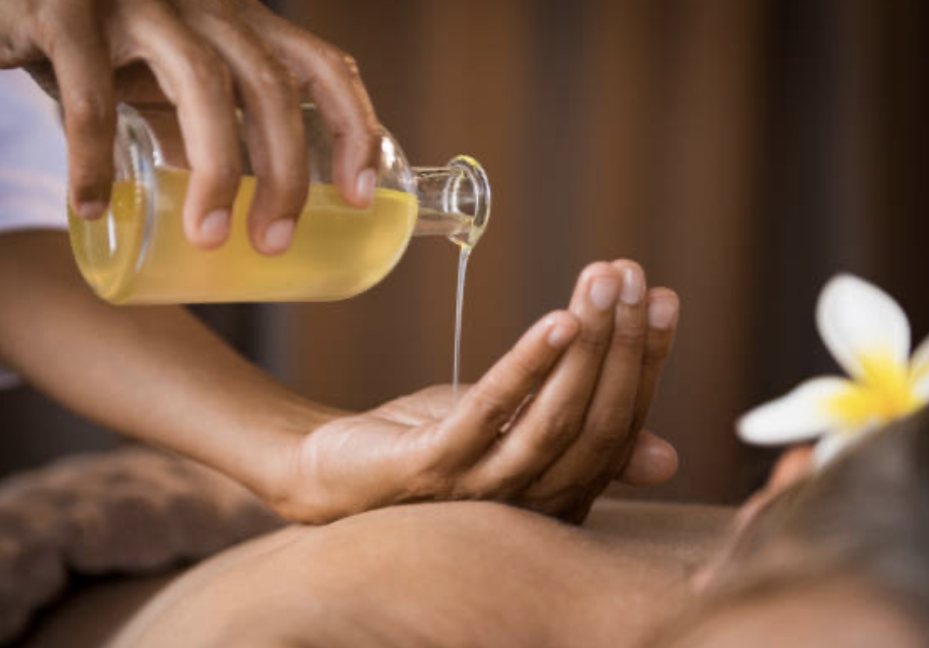
Swedish massage is the classic: warm oil, long gliding strokes toward the heart, kneading through the shoulders and thighs, small circles on the knots, a little gentle rocking, and a pace that gives your breathing time to slow down. It is the style most people mean when they say "a massage", and the one we suggest when the goal is simply to feel human again.
Ours is slower and quieter than many expect. Swedish does not have to mean light. The pressure runs from feather-soft to genuinely firm, and you choose it; what stays constant is the rhythm, which is what does the settling.
Not actually from a Swedish spa
Pehr Henrik Ling gave Sweden its gymnastics tradition in the early 1800s, but massage was never part of his system. It was a Dutch physician, Johan Georg Mezger, who organised the strokes a few decades later and gave them the French names therapists still learn. The English-speaking world called the result "Swedish"; Sweden and most of Europe simply call it classic massage.
What to Expect
Your session, start to finish
If this is your first massage, this is the gentlest place to begin.
- Arrive
Ten minutes early on a first visit for a short health form. Tell us about injuries, medications, pregnancy and any allergy to oils or scents.
- A short conversation
Where you hold tension, how much pressure you like, whether you would rather talk or drift. Your therapist steps out while you undress to your comfort and settle under the sheet.
- The treatment
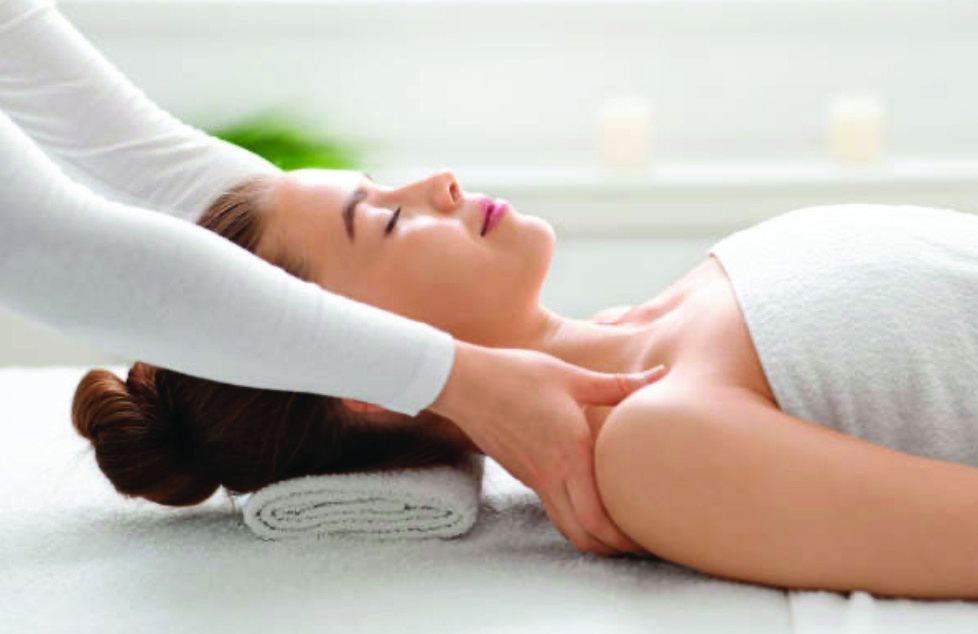
Back, legs, arms, hands, neck and shoulders, with scalp and feet in longer sessions. Each area is warmed with gliding strokes, worked with kneading and friction, and closed with gliding again. Only the area being worked is uncovered.
- Afterwards
Sit up slowly. Have some water, and give yourself a soft landing; many guests sleep deeply that night.
60 minutes
$119
A full-body massage at a comfortable pace, with a little extra on the back, neck and shoulders. The classic first visit.
90 minutes
$169
The unhurried version: the whole body plus real time on a focus area, scalp, hands and feet. Our recommendation, and the best value per minute.
120 minutes
$238
For when you need twenty minutes just to arrive. Every region, two or three focus areas, and time to drift.
Why Guests Book It
Calm you can feel, and some you can measure
Most of what people say about Swedish massage is true. Some of it is overstated. We stick to the first kind.
- A calmer body within the hourLower anxiety, blood pressure and heart rate after a single session are the most consistent findings in massage research.
- Looser shoulders and backEveryday tightness from sitting, driving and screens is exactly what the strokes were designed for.
- Better nightsGuests often tell us they sleep deeply afterwards. Small studies point the same way.
- The easiest first massageFamiliar, adjustable, fully draped, and entirely at your pace.
What the research says, and what it doesn't
What the research supports, and the one popular claim it does not:
- A meta-analysis of 37 randomised studies (Moyer et al. 2004) found a single massage reduces state anxiety, blood pressure and heart rate, and that repeated sessions reduced anxiety and depression by amounts "similar in magnitude to those of psychotherapy".
- Emory University researchers (Rapaport et al. 2012) found the effects of weekly Swedish massage persisted for several days to a week, and that frequency mattered.
- In a small Emory trial of people with generalised anxiety (47 randomised), six weeks of twice-weekly Swedish massage lowered anxiety scores more than light touch. It is a proof-of-concept study, not evidence that massage treats an anxiety disorder, and we do not claim it does.
- A systematic review of massage for sleep in cancer survivors found improved self-reported sleep across small trials with a high risk of bias. Promising, early.
- You will read everywhere that massage "lowers cortisol". Moyer's meta-analysis found no reliable cortisol change after a single session, and a 2010 Emory study found the small drops it saw in both Swedish and light-touch groups. We would rather talk about what you will actually feel.
Massage therapy appears to carry few risks when it is done appropriately by a licensed therapist, and it is not a substitute for medical care.
Is It Right for You?
Who it suits
A good fit if you…
- It is your first massage and you want the familiar kind
- You cannot switch off: work, caregiving, deployments, moves
- You sleep badly and want an evening that ends softly
- You are on vacation and the drive, the sun and the sand have caught up with you
- You are sore and tight rather than injured: desk neck, driver's back, long beach walks
- You are an older guest, or anyone who prefers comfort to intensity
Check with your doctor first if…
- You are pregnant (our Pre & Post Natal Treatment is designed for you instead)
- You have had surgery, a fracture or a significant injury in recent months
- You take blood thinners, bruise easily, or have a bleeding disorder
- You have, or may have, a blood clot; a swollen, warm or painful calf needs a doctor today
- You have osteoporosis, a joint replacement, or a disc problem with numbness or weakness
- You have a heart condition, uncontrolled high blood pressure, or are in cancer treatment
- You have a fever, a contagious illness, a skin infection, open wounds, or sunburn where we would work
Tell us about anything on this list when you book. We can often adapt pressure, position or focus, and we will say so honestly if a different treatment, or a doctor first, is the better call.
Practical Notes
Before and after your session
Before you come
- Eat lightly an hour or two before, and skip alcohol
- Rinse off sand and sunscreen; tell us about sunburn so we can work around it
- Arrive ten minutes early on a first visit for the health form
- Remove jewellery and silence your phone
Afterwards
- Sit up slowly, then drink some water
- A warm shower or bath that evening keeps the calm going
- Skip heavy workouts and alcohol for a few hours
- Mild tenderness after firmer pressure fades within a day or two
How often? Every week or two through a stressful stretch, monthly for maintenance, and a single unhurried session for visitors. In the Emory research the effects lasted several days to a week.
Add-Ons
Pairs well with
- Hot Stone$25Heat that deepens the relaxation
- Aromatherapy$10For stress reduction
- Body Scrub$70Silky skin before the oil
- CBD Oil$25For one sore area
- Aloe Vera Cooling$35After Gulf Coast sun
Add-ons are chosen at booking or when you arrive. See the full add-on list.
Questions Guests Ask
Good to know
What is a Swedish massage?
A classic full-body massage using warm oil and long, flowing strokes, kneading and gentle friction to ease muscle tension and encourage relaxation.
Is it really from Sweden?
Not quite. Ling's Swedish gymnastics inspired the name, but a Dutch physician, Johan Georg Mezger, organised the strokes and gave them French names. In much of Europe it is simply called classic massage.
Swedish or deep tissue?
Swedish is lighter to moderate, flowing and relaxing, though it can be firm on request. Deep tissue is slower, firmer and aimed at chronic tightness. If you want calm, choose Swedish.
Swedish or Thai?
Swedish is on the table with oil, passive and flowing. Thai work adds stretching and pressure along the body's energy lines, either clothed on a mat (Thai Yoga Stretching) or combined with oil (Thai Combination). Calm versus re-opened; many guests alternate.
Sixty, ninety or a hundred and twenty minutes?
Sixty is a full-body introduction. Ninety adds a focus area, scalp, hands and feet, and is the best value per minute. A hundred and twenty is the deep unwind.
Do I have to undress?
Undress to your comfort level. You are covered by a sheet throughout; only the area being worked is uncovered, and your therapist leaves the room while you get ready.
How firm will it be?
Whatever you like, from light to firm. Say so at the start and at any point after.
Should I talk?
Only if you want to. Quiet is normal; tell your therapist at the start if you would prefer conversation.
What if I fall asleep?
Perfectly normal, and a compliment.
Will I be sore?
Swedish should not hurt. Mild soreness can follow firmer pressure and fades within a day or two.
Do you have unscented oil?
Yes. Ask when you book or arrive, and tell us about nut or fragrance allergies.
Can I come after a day at the beach?
Yes. With sunburn, we work around the burned skin or suggest rescheduling if it is severe.
How much should I tip?
Gratuity is at your discretion and always appreciated. Fifteen to twenty percent is customary in the United States.
Can it help my sleep or anxiety?
Research suggests a single session lowers feelings of anxiety and that regular massage may improve sleep quality, though the studies are small. It is not a treatment for a sleep or anxiety disorder; please see your doctor for those.
“Annie was absolutely amazing!! I have had massages all over the world, including where I lived in Japan, and this was by far the best massage I've ever had…”

Reserve Your Time
Slow down. Breathe out.
Book 90 minutes and let the evening take care of itself. Walk-ins welcome whenever a therapist is free.
Massage therapy is for relaxation and wellness. It is not a substitute for medical diagnosis or treatment. Please consult a qualified healthcare professional for persistent, severe or unexplained symptoms.